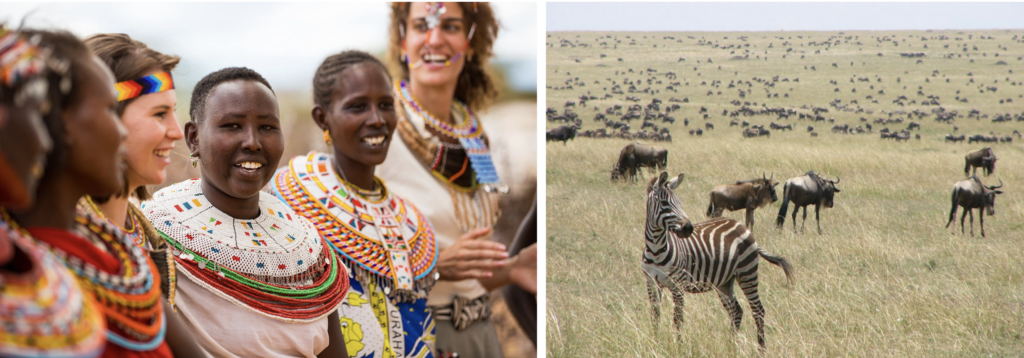


Imagine starting with just five acres.
One family.
A handful of local Maasai partners.
One investor who believed in something not yet visible.
And a single, humble camp standing quietly in the wild.
No blueprint. No guarantees. Just conviction.
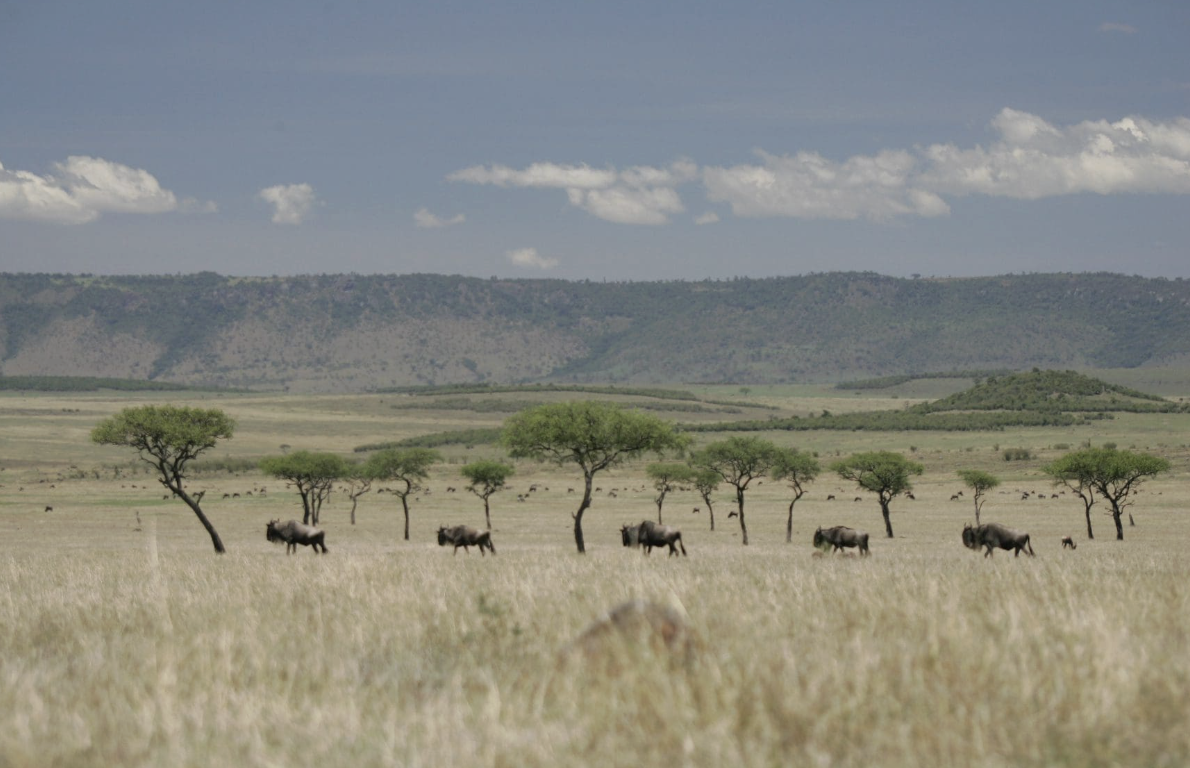
Back then—27 years ago—the idea was simple, almost naïve: that conservation and community could thrive together. That the land didn’t need saving from people, but with them. That tourism, if done differently, could protect what it depends on.
The early days were not a walk in the park. They were uncertain. Every decision carried weight—how to build, who to employ, how to share value, how to listen. Trust had to be earned, not assumed. And growth was never the goal—impact was.
But something powerful happens when purpose takes root.
One camp became two.
Partnerships deepened.
Communities leaned in—not as beneficiaries, but as co-owners of the vision.
Wildlife returned where it had once retreated.
And a different kind of model began to take shape—quietly, steadily, intentionally.
Today, that five-acre beginning has grown into something far greater than scale.
Over 1 million acres under shared stewardship.
More than 10,000 families are directly connected to the ecosystem and benefiting from tourism revenue.
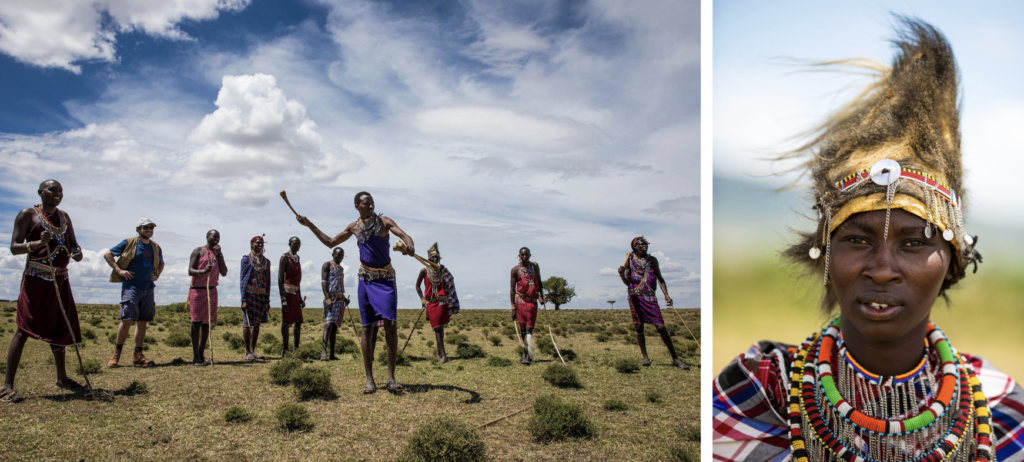
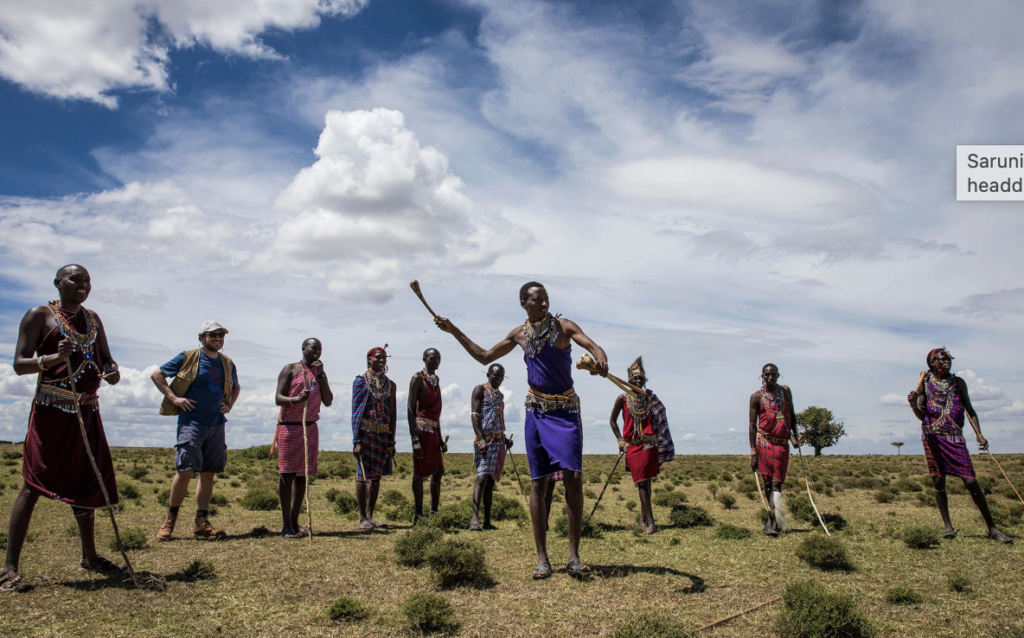
Over 450 staff from indigenous communities (Maasai & Samburu) shaping experiences and livelihoods.
13 camps, each grounded in place, culture, and conservation.
And a collective of impact investors who understand that true return is measured beyond profit.
But the real story lives beneath those numbers.
It lives in a workforce that is all Kenyan, 88% from the very communities that surround the camps—where employment is not just a job, but a pathway to dignity, leadership, and generational change.
It lives in a growing commitment to diversity, equity, and inclusion—where women are stepping into roles once out of reach, from guiding to management, and where intentional training and mentorship are shifting what leadership looks like in the bush.
It lives in revenue streams that flow back into communities—supporting education, healthcare, conservation leases, and small enterprises—ensuring that the benefits of tourism are shared, not extracted.
It lives in thousands of students supported through scholarships, classrooms built where there were none, and young people who now see conservation not as a distant idea, but as a viable future.
It lives in conservation models where land ownership remains in community hands—where over a million acres are protected not by fences, but by agreements rooted in trust and mutual value.
And it lives in measurable ecological impact—habitats restored, wildlife corridors protected, and biodiversity given space to recover.
This is not just a growth story. It’s a responsibility story.
Because being Wild with Purpose means choosing the harder path—again and again.
It means designing tourism that includes, rather than excludes
Protecting landscapes not as assets, but as living systems.
It means recognizing that equity is not an initiative—it’s a foundation.
It means building systems where communities, who have always called these lands home, are not at the edge of the value chain, but at its center.
It means building something that will outlast you.
Saruni Basecamp didn’t just expand its footprint. It expanded what’s possible.
From five acres to a movement.
From one camp to a connected ecosystem.
From employment to empowerment.
From conservation to shared stewardship.
From an idea to a force shaping the future of conservation.
And the story is still unfolding—guided by the same belief that started it all:
That when you take responsibility, stay deeply committed to nature, and truly partner with the people who own it…
the wild doesn’t just survive.
It thrives.